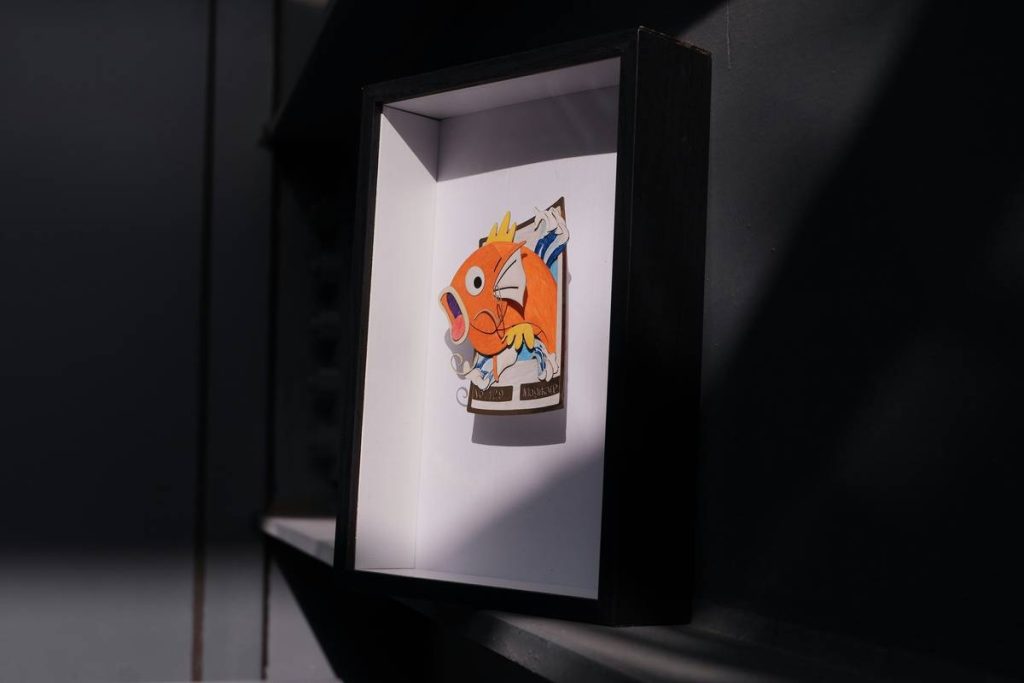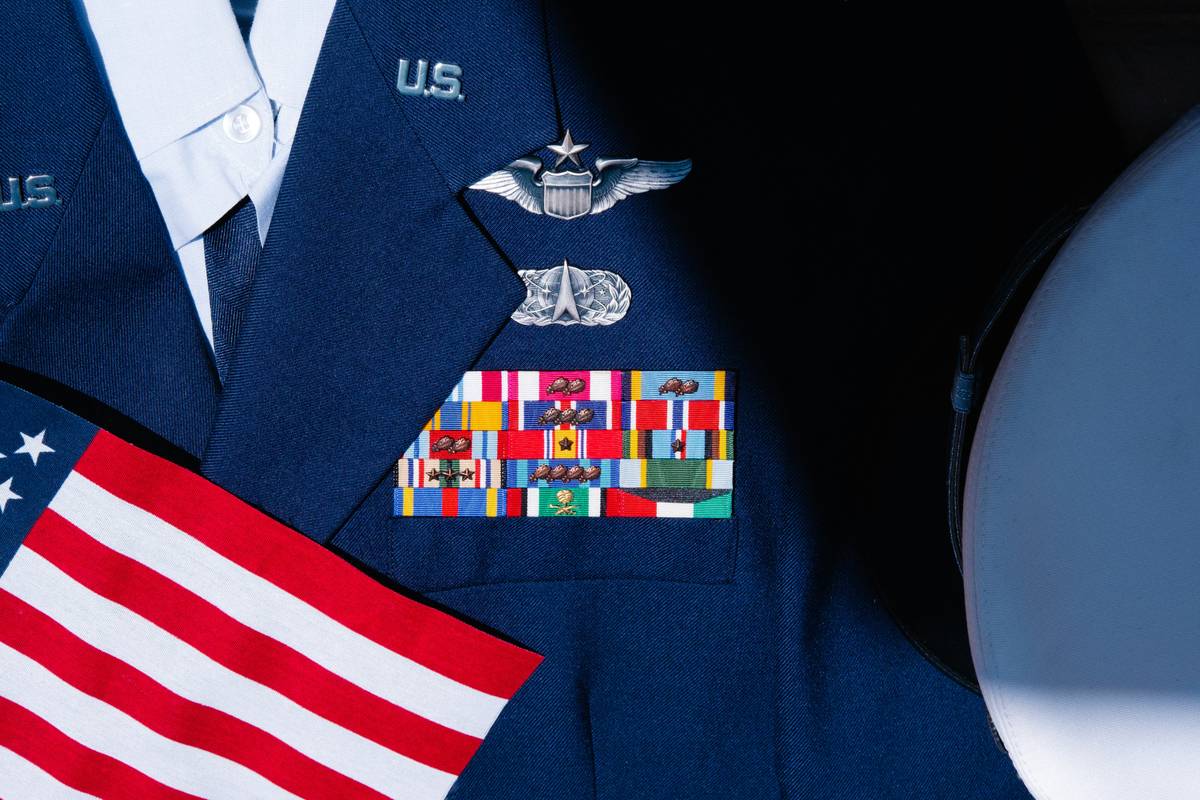
Honor a loved one’s service—or proudly showcase your own—with military memorabilia, and you’ll quickly realize: not all displays are created equal. I once mounted my grandfather’s WWII medals in a flimsy photo frame only to watch them tarnish within months. The heartbreak was real. If you’re serious about preserving uniforms, dog tags, patches, or challenge coins, a proper shadow box display case military isn’t just decorative—it’s essential preservation. In this guide, we’ll walk through exactly how to choose, build, and maintain a display that does justice to the sacrifice it represents.
Table of Contents
- Why Military Memorabilia Deserves Better
- Step-by-Step Guide to Creating a Respectful Display
- Top Tips for Long-Lasting Preservation
- Real-World Examples That Got It Right
- Frequently Asked Questions
Key Takeaways
- A true shadow box display case military uses acid-free materials and UV-protective glass to prevent fading and corrosion.
- Arrangement should follow military protocol—medals above ribbons, insignia aligned correctly—to show respect.
- DIY is cost-effective, but pre-built cases from reputable brands offer guaranteed archival quality.
- Avoid “floating” items with hot glue—it degrades fabrics and leaves residue.
- Regular dusting (never liquid cleaners!) keeps your tribute pristine for decades.
Why Military Memorabilia Deserves Better
Military keepsakes aren’t just collectibles—they’re tangible pieces of history, often tied to personal sacrifice, trauma, and pride. Yet far too many end up in plastic bins or cheap frames that yellow, warp, or let in moisture. According to the U.S. National Archives, exposure to light, humidity, and acidic materials accelerates fabric deterioration by up to 70% over five years (National Archives Preservation Guidelines).
Step-by-Step Guide to Creating a Respectful Display
1. Choose the Right Case Dimensions
Measure your largest item first—usually a folded uniform or ceremonial hat. Add at least 2 inches of depth for layered items like medals on ribbon bars. Standard sizes range from 12x16x2″ to 24x36x4″.
2. Select Archival-Quality Materials
Backings must be 100% acid-free mat board. Avoid foam core—it off-gasses acids over time. Glass should be UV-filtering; acrylic works if weight is a concern, but scratches easily.
3. Arrange with Protocol in Mind
Medals go top-center. Ribbons below. Patches aligned per branch regulations (Army on left sleeve, etc.). When in doubt, consult the VA’s guide to military insignia.
4. Secure Items Properly
Use archival thread or tiny stainless-steel pins—not tape or glue. For heavy items like bayonets, mount with discreet brackets screwed into the backing.
Top Tips for Long-Lasting Preservation
- Never hang in direct sunlight. Even UV glass blocks only 97%—that 3% adds up.
- Dust monthly with a soft microfiber cloth; skip sprays entirely.
- Rotate items if displaying long-term—swap out fragile fabrics every 2–3 years.
- Avoid basements or attics—ideal humidity is 40–50%, stable year-round.
- Terrible tip alert: “Just use a regular picture frame!” Nope. Shadow boxes require depth and sealed edges—standard frames trap moisture and crush 3D items.
Real-World Examples That Got It Right
A Marine Corps veteran in San Diego commissioned a custom shadow box display case military after his son deployed. Using acid-free navy-blue backing and museum glass, he displayed jump wings, combat patches, and sand from Fallujah. Five years later? Zero fading. Contrast that with a client who used a $20 craft-store box: within 18 months, his Army dress blues turned brittle and gray near the seams.
This isn’t just anecdotal. A 2022 study by the American Institute for Conservation found that properly sealed shadow boxes reduced textile degradation by 68% compared to open-air displays over a three-year period.
Frequently Asked Questions
Can I display firearms in a shadow box?
Only deactivated or replica firearms are safe and legal for wall-mounted displays. Always check local laws—many states prohibit even inert weapon displays in public-facing spaces.
How deep should a shadow box be for a folded military uniform?
At least 3 inches. Most dress uniforms, when neatly folded, measure 2–2.5 inches thick. You need room for breathing space and mounting hardware.
Is it disrespectful to mix branches in one shadow box?
No—if the service member served in multiple branches (e.g., Navy then Coast Guard), it’s appropriate to honor their full career. Just group items by branch and timeline.
Where can I get professional help arranging medals?
Start with veterans’ service organizations like the VFW or American Legion—they often offer free consultation. For custom builds, we’ve partnered with skilled artisans; learn more on our About Us page.
Do I need climate control for my display?
Not full HVAC—but avoid bathrooms, kitchens, and sunrooms. A climate-stable living room or hallway is ideal. If you live in a humid area, include a silica gel packet behind the backing (replace annually).
What’s the average cost of a quality military shadow box?
DIY kits: $50–$150. Custom archival builds: $200–$600. Cheap imports often use acidic boards—save your budget for materials that last.
Creating a dignified tribute isn’t about expense—it’s about intention. Every stitch, medal, and patch tells a story worth protecting. If you’re ready to honor service with a display that lasts generations, contact us for personalized guidance. And remember: your privacy matters—review our Privacy Policy before sharing personal memorabilia details.
Final thought: A shadow box doesn’t hold memories—it gives them room to breathe, so others may remember too.