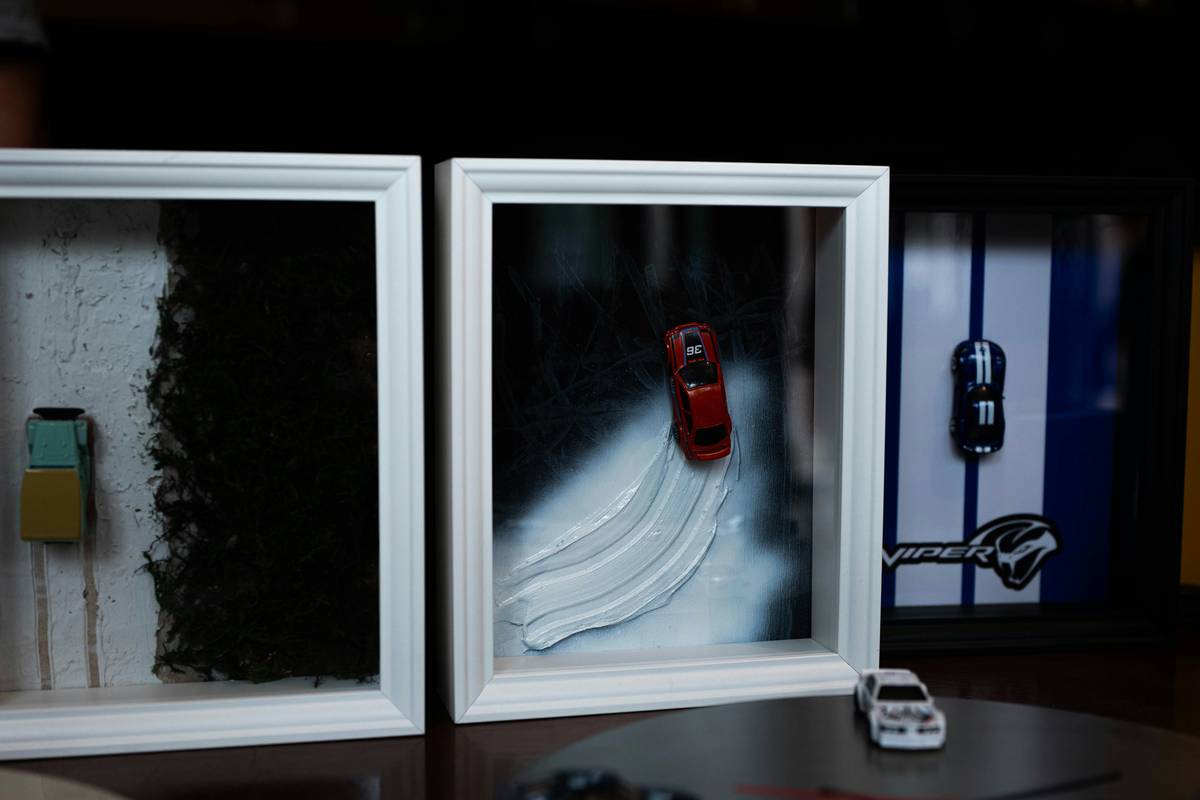
Ever spent hours curating keepsakes only to shove them in a drawer because you couldn’t figure out how to showcase them beautifully? You’re not alone. Memory shadow boxes transform ordinary mementos—ticket stubs, baby shoes, military insignia—into conversation-starting art. But poorly executed displays can look cluttered or cheap, defeating the emotional purpose. In this guide, we’ll walk through seven actionable, design-savvy approaches to creating memory shadow box ideas that honor your story while elevating your home decor. Whether you’re commemorating a wedding, a deployment, or a grandchild’s first steps, these strategies blend aesthetics with authenticity.
Table of Contents
- Why Shadow Boxes Matter in Home Improvement
- Step-by-Step Guide to Crafting Your Shadow Box
- Top Tips and Best Practices
- Real-World Examples That Work
- Frequently Asked Questions
Key Takeaways
- Less is more—overcrowding ruins visual impact.
- Choose depth and matting based on item thickness.
- Neutral backgrounds let memories take center stage.
- UV-protective glass prevents fading over time.
- Placement affects emotional resonance—entryways > closets.
Why Shadow Boxes Matter in Home Improvement
Shadow boxes aren’t just decorative—they’re emotional anchors. According to the American Psychological Association, tangible reminders of significant life events can reinforce identity and well-being. Yet many homeowners treat them as afterthoughts, taping photos haphazardly into shallow frames that warp or yellow within months.
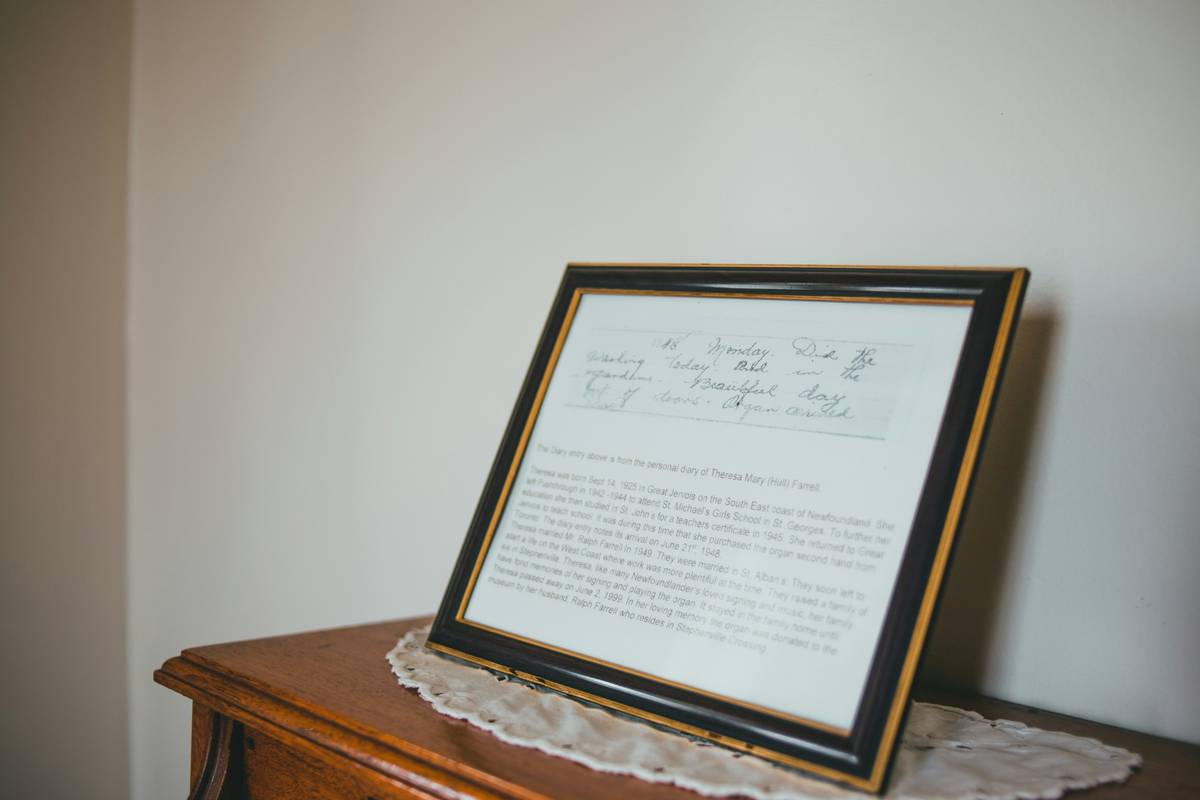
I learned this the hard way. After my father’s military service, I glued his medals, dog tags, and a faded letter into a $15 craft-store frame. Within a year, humidity warped the backing, and sunlight bleached the letter to near invisibility. The result? A painful reminder of what I failed to preserve—not the heroism I wanted to honor. Don’t make my mistake: invest in structure and protection from day one.
Step-by-Step Guide to Crafting Your Shadow Box
1. Select Meaningful Items (Not Everything)
Curate ruthlessly. Ask: “Does this item evoke a specific moment?” If not, leave it out. A single heirloom locket often speaks louder than ten trinkets.
2. Choose the Right Box Depth
Standard frames are too shallow. For 3D objects like baby shoes or medals, opt for at least 2 inches of depth. The Smithsonian Institution recommends deep-set enclosures for artifact preservation—a standard you can adapt at home.
3. Use Acid-Free Materials
Acidic paper and glue cause yellowing and brittleness. Always use archival-quality mats and adhesives. Look for products labeled “acid-free” or “photo-safe.”
4. Mount Securely but Reversibly
Avoid permanent glue. Instead, use conservation tape or clear acrylic stands so items can be removed without damage—critical if you ever need to restore or update the display.
Top Tips and Best Practices
- Background color matters: Navy, charcoal, or cream backgrounds create contrast without competing with memorabilia.
- Lighting is key: Place away from direct sunlight. Consider LED picture lights for dramatic effect without UV damage.
- Label discreetly: Handwrite dates or names on acid-free cardstock tucked beneath an item—not on the item itself.
- Terrible tip to avoid: Never use glitter glue or neon foam letters. Seriously. It screams “craft fair gone wrong,” not “cherished memory.”
And can we talk about the home decor pet peeve of cramming every vacation shell, keychain, and postcard into one chaotic box? Stop. Your memories deserve breathing room—not visual noise that confuses the story you’re trying to tell.
Real-World Examples That Work
A client of ours (yes, we do custom acoustic installations—but we geek out on decor too) created a memory shadow box ideas centerpiece using her son’s NICU wristbands, a tiny knit hat, and a heartfelt note from a nurse. Mounted in a 3-inch-deep walnut frame with cream linen backing, it now hangs in their living room. Visitors don’t just glance—it sparks real conversations about resilience.
Another example: A Vietnam veteran displayed his Purple Heart, dog tags, and a folded American flag in a shadow box with UV-protective glass. Five years later, colors remain vivid, metals untarnished. He shared his process with the U.S. Department of Veterans Affairs’ outreach program, proving thoughtful presentation enhances legacy.
At Triad Acoustic Stage, we believe spaces should resonate emotionally—not just acoustically. That’s why we integrate meaningful displays like these into holistic home environments.
Frequently Asked Questions
How deep should a memory shadow box be?
For flat items (photos, letters), 1 inch suffices. For 3D objects like shoes or medals, choose 2–4 inches. Measure your tallest item and add half an inch.
Can I make a memory shadow box myself?
Absolutely. Use an empty deep frame from a craft store, acid-free mat board, and conservation tape. Just avoid hot glue or spray adhesives.
Where’s the best place to hang a shadow box?
Entryways, hallways, or above a mantel—areas where people pause. Avoid bathrooms or kitchens due to humidity fluctuations.
Do shadow boxes protect items from dust?
Yes, if properly sealed. Ensure the backing is secured with brads or screws, not just friction-fit. For extra protection, request gasket seals from framing shops.
Are memory shadow box ideas suitable for kids’ rooms?
Great idea! Document first shoes, artwork, or sports medals. Just mount high enough to avoid little hands—and use shatter-resistant acrylic instead of glass. Always review safety guidelines in our Privacy Policy when involving minors’ personal items.
Memory shadow box ideas turn fleeting moments into lasting honors—when done right. Skip the clutter, embrace intentionality, and let your walls tell your story. Ready to design yours? Contact us for personalized framing recommendations that complement your space.
Frame the past. Illuminate the present.