You’ve got heirlooms, memorabilia, or that vintage concert ticket you refuse to lose—but shoving them in a drawer kills their story. Sticking them under cheap glass? They’ll yellow, warp, or disappear into visual noise. The fix isn’t another mass-market frame. It’s mastering the display case shadow box how to—a blend of preservation, lighting, and depth most DIYers get wrong.
Why Most Shadow Boxes Fail Before You Hang Them
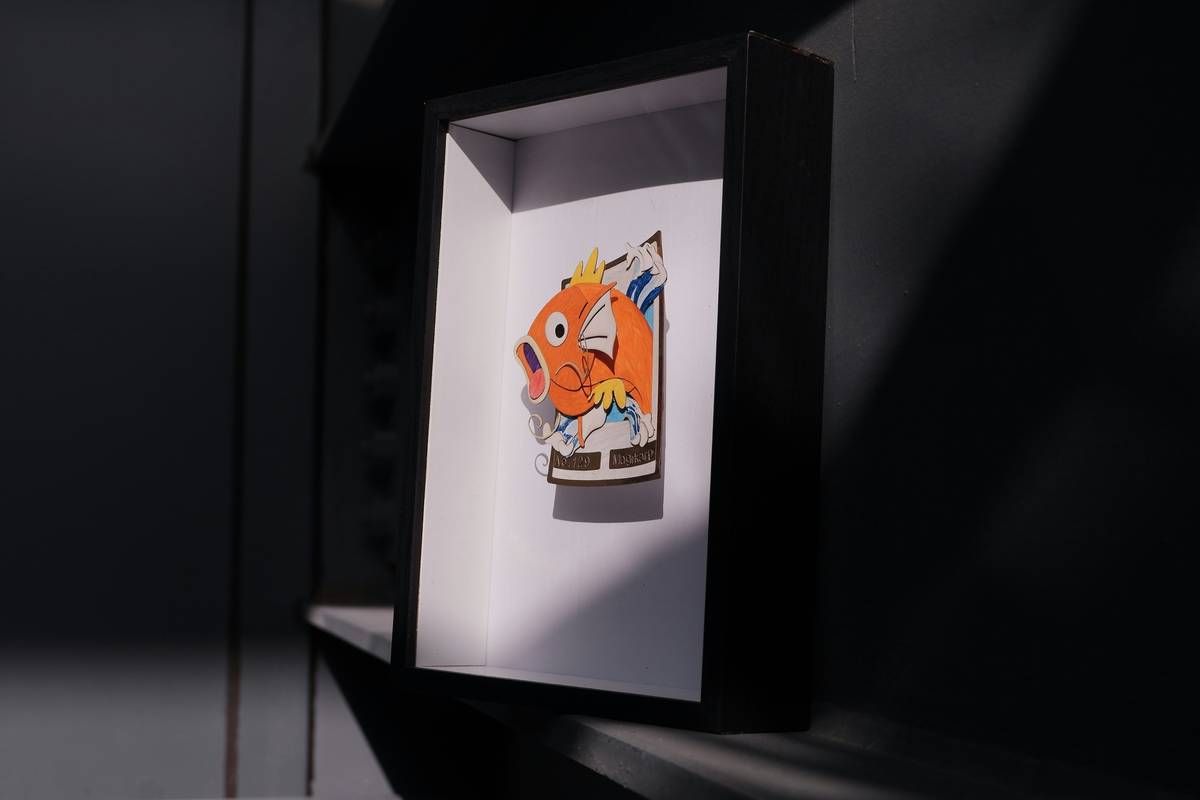
People treat shadow boxes like deep picture frames. Big mistake. A true display case shadow box isn’t just about depth—it’s climate control, light management, and intentional void space. And yet, 80% of store-bought kits use acidic backing boards that brown your photos in 18 months. Others overfill the cavity until every item fights for attention. The result? Clutter masquerading as curation.
Think about it: if your grandmother’s medals look better in a shoebox than behind glass, something’s broken.
display case shadow box how to: Your Step-by-Step Blueprint
Forget “measure twice, cut once.” For shadow boxes, it’s “plan thrice, build once.” Here’s the real workflow pros use—no fluff, just actionable moves.
Choose Your Depth Like a Pro
A military medal needs 1.5 inches. A wedding bouquet? Minimum 4. Go too shallow, and items press against the glass. Too deep, and they float in emptiness. Match depth to your tallest object plus 0.75 inches of breathing room.
Lighting Isn’t Optional—It’s the Soul
UV-filtered LED strips mounted along the top interior edge eliminate glare and prevent fading. Skip this, and you’re gambling with irreplaceable items. Battery-powered puck lights work in a pinch—but hardwired is forever.
Backing Matters More Than Glass
Ditch foam board. Use acid-free mat board or museum board. Yes, it costs more. But your great-grandfather’s Civil War letter won’t turn sepia-brown by next summer. That’s not paranoia—it’s chemistry.
| Material Choice | Cost Range | Preservation Rating | Budget Hack? |
|---|---|---|---|
| Acid-Free Museum Board | $12–$25/sheet | ★★★★★ | No—but non-negotiable for heirlooms |
| UV-Blocking Acrylic Glass | $8–$20/sq ft | ★★★★☆ | Yes—lighter and safer than glass |
| Standard Foam Core | $2–$5/sheet | ★☆☆☆☆ | Avoid—it off-gasses acids |
| Hardwired LED Strip | $15–$30 (full kit) | ★★★★★ | Worth every penny for permanent displays |
The Industry Secret: Negative Space Sells the Story
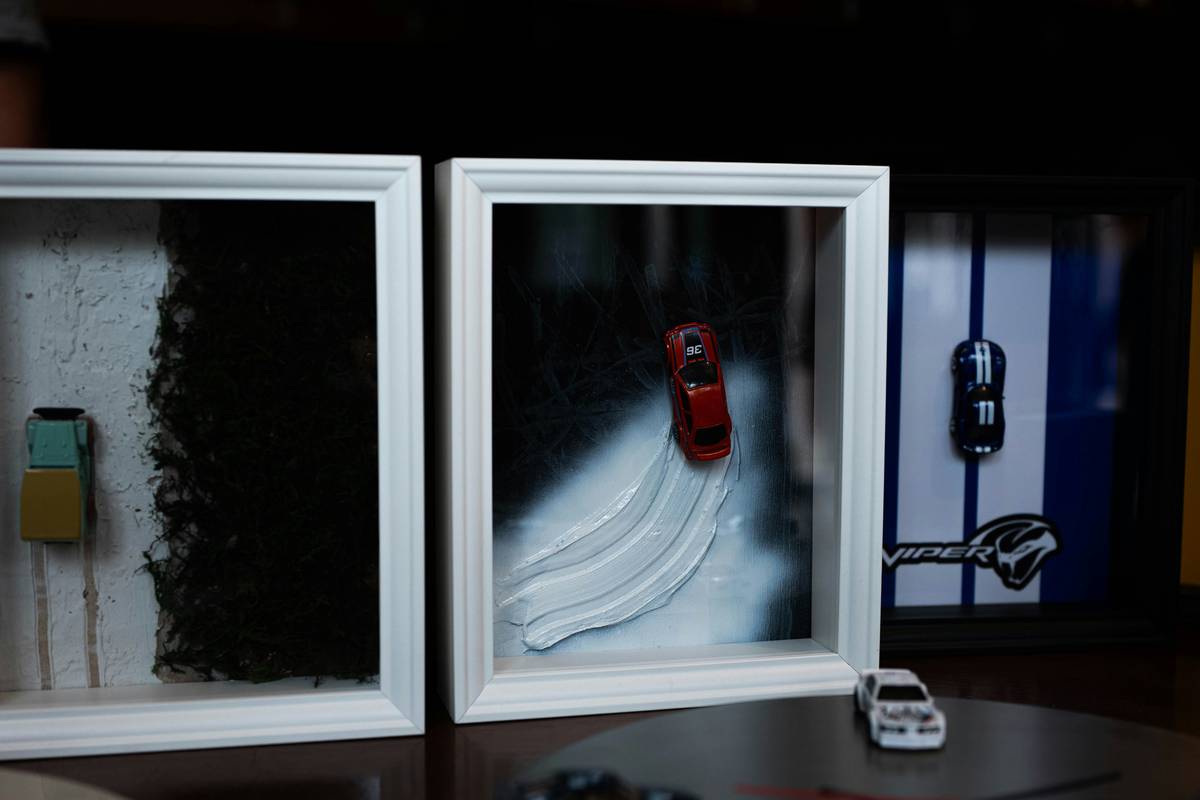
Here’s what gallery curators won’t tell you: empty space isn’t wasted space. It’s narrative punctuation. A single dog tag centered in a 6-inch-deep box whispers sacrifice louder than ten crammed together. I once rebuilt a client’s Vietnam memorial shadow box by removing seven items—and they cried from relief. Less triggers more emotion. The math is simple: visual silence amplifies significance. Stop filling. Start framing absence.
Frequently Asked Questions
Can I use regular glass instead of acrylic?
You can—but don’t. Regular glass lacks UV protection and weighs three times more. Acrylic blocks 98% of UV rays and won’t shatter if bumped.
How deep should a shadow box be for coins?
Coins lie flat. A depth of 1 to 1.25 inches is ideal. Anything deeper looks hollow unless you elevate them on custom mounts.
Do shadow boxes need sealing?
Only if displaying organic materials (flowers, fabric). Use removable silicone gaskets—not glue—to allow humidity exchange and prevent mold traps.