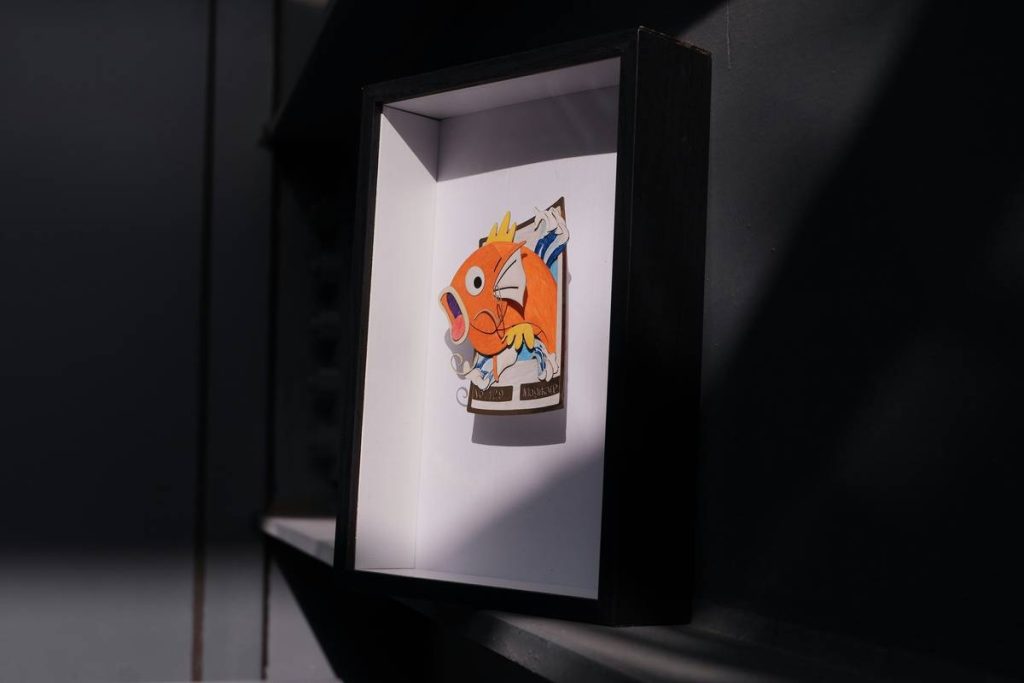
You’ve got memories. Trophies. Ticket stubs from that concert that changed your life. But they’re stuffed in drawers or shoved on dusty shelves. Forgotten. Fading. And it’s not just clutter—it’s a silent erosion of your personal story. Enter the shadow box display case: not just a frame, but a curated stage for what truly matters.
Why Most Shadow Box Displays Fail Miserably
People buy cheap, flimsy boxes off big-box shelves. They slap items inside and call it “done.” Then wonder why it looks like a junk drawer behind glass. The problem? These aren’t displays—they’re containers. A real shadow box display case demands intentionality: depth, lighting, material harmony. Without those, you’re not honoring your keepsakes—you’re burying them twice.
And don’t get me started on UV damage. Sunlight bleaches fabric, yellows paper, dulls metals. Yet most DIYers skip archival-grade backing or UV-filtering acrylic. Big mistake.
How to Build a Shadow Box Display Case That Commands Attention
Forget slapping things together. This is storytelling with structure. Here’s how to do it right—whether you’re showcasing military medals, vintage jewelry, or your kid’s first pair of tiny shoes.
Select Depth Like a Pro (Not Just “Deep Enough”)
Depth isn’t arbitrary. Too shallow? Items press against glass—distorting visuals and trapping moisture. Too deep? Objects float in nothingness, losing impact. Rule of thumb: add 1.5x the tallest object’s height to determine ideal case depth. Want drama? Go deeper—but anchor items with staggered mounting.
Choose Materials That Age Gracefully
Pine warps. Plastic yellows. Cheap foam board crumbles in humidity. Invest in solid hardwood frames, acid-free matting, and museum-quality acrylic glazing. Yes, it costs more upfront. But your grandmother’s lace handkerchief won’t thank you in 20 years if you cut corners.
Master the Mounting—No Tape Allowed
Double-sided tape fails. Glue stains. Use archival pins, hidden brackets, or floating mounts designed for specific materials. Heavy items? Secure them to a wooden backing plate first, then mount the plate inside the case. Stability is non-negotiable.
| Approach | Cost Range | Longevity | Best For |
|---|---|---|---|
| Ready-Made Retail Box | $15–$50 | 1–3 years | Temporary displays, low-value items |
| Semi-Custom Framing Shop | $80–$250 | 5–10 years | Mid-tier memorabilia, small collections |
| Bespoke Shadow Box Display Case | $300–$1,200+ | 20+ years | Heirlooms, high-sentiment or high-value items |

The Industry Secret: Lighting Is Your Silent Narrator
Here’s what framers won’t tell you: ambient room light is almost always wrong for shadow boxes. Too flat. Too harsh. The magic happens when you integrate directional LED strips along the top interior lip—angled downward at 30 degrees. This creates soft highlights and subtle shadows that give dimensionality. Bonus? Use warm-white (2700K–3000K) LEDs; cool tones sterilize emotion. And hide the power source—either with cordless rechargeable strips or discreet wiring through the frame’s back. Done right, your display doesn’t just sit there—it whispers.
Think about it. A combat medal under flat light looks like metal. Under angled warmth? It glows with gravity.
Frequently Asked Questions
What’s the difference between a shadow box and a regular picture frame?
A shadow box has significant depth (typically 1–4 inches) to hold 3D objects, while standard frames are shallow and meant only for flat artwork or photos.
Can I hang a shadow box display case in direct sunlight?
Avoid it. UV rays fade fabrics and paper. If unavoidable, use UV-protective acrylic glazing and rotate contents periodically to minimize exposure.
How do I clean the inside of my shadow box display case?
Never open it casually. Dust builds slowly. If cleaning is essential, remove backing in a clean, still environment—and wear lint-free gloves to handle contents.