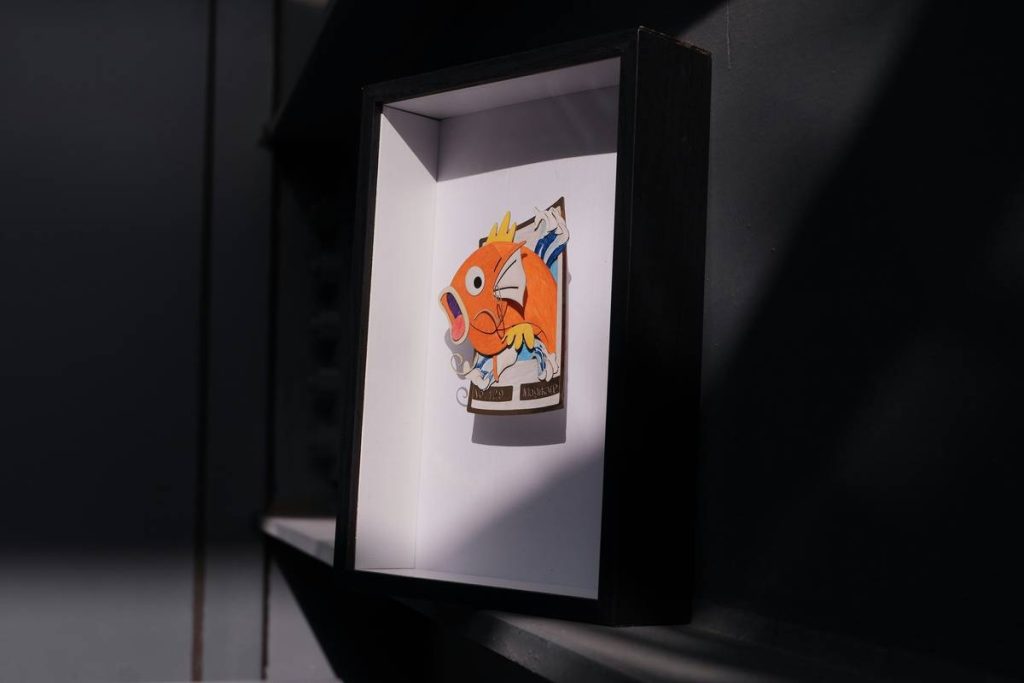
You hang art. You mount shelves. But your walls still feel… flat. Lifeless. Like they’re missing depth—not just visually, but emotionally. That’s because most people treat walls as surfaces, not stages. Enter the shadow box display case for wall: a dimensional frame that doesn’t just show objects—it tells stories.
Why Floating Shelves and Flat Frames Fall Short
Floating shelves collect dust. Flat frames flatten meaning. And open cubbies? Chaos disguised as style. The problem isn’t your taste—it’s dimensionality. Without recessed depth, memorabilia looks like clutter, not curation.
And here’s the kicker: standard display cases often use cheap acrylic that yellows or flimsy backing that sags within months. You spend $150 only to replace it in 18 months. Not ideal.
How to Choose & Install the Perfect Shadow Box Display Case for Wall
The right shadow box merges preservation, presentation, and personality. Skip the trial-and-error. Follow this battle-tested workflow.
Step 1: Define Your Narrative
Are you showcasing concert tickets from your first tour? Vintage fishing lures from your grandfather? Artisan ceramics? The content dictates depth—literally. Delicate paper needs UV-filtered glass; heavier items demand reinforced backing.
Step 2: Material Matters More Than You Think
Wood frames add warmth but warp in humidity. Metal offers clean lines but can feel sterile. MDF is budget-friendly—yet chips easily. The sweet spot? Solid hardwood with a sealed matte finish. It resists warping and whispers “thoughtful,” not “showy.”
Step 3: Mounting That Won’t Fail
Nothing ruins a moment like a crashing shadow box. Use French cleats for anything over 5 lbs. Drywall anchors alone? A gamble. And always—always—level from multiple points. One degree off reads as sloppiness, not charm.
| Mounting Method | Max Weight Supported | Wall Type Compatibility | Risk of Damage |
|---|---|---|---|
| Drywall Anchors | Up to 10 lbs | Drywall only | Medium (can pull out) |
| Toggle Bolts | Up to 50 lbs | Drywall, plaster | Low |
| French Cleat | 75+ lbs | Any solid wall | Very Low |
| Adhesive Strips | Under 3 lbs | Smooth surfaces only | High (heat/humidity sensitive) |

The Industry Secret: Lighting Is Your Silent Salesperson
Here’s what no catalog tells you: ambient light murders texture. Shadows disappear. Details blur. But integrated LED strip lighting—mounted along the inner top edge—creates theater-like drama that makes viewers stop mid-step.
And it’s cheaper than you think. A $12 USB-rechargeable LED strip (warm white, 2700K) tucked inside the frame lip adds museum-grade allure without rewiring. Pro tip: angle the strip backward to bounce light off the back panel—soft, even glow, zero glare. Most DIYers overlook this. You won’t.

Frequently Asked Questions
Can I make my own shadow box display case for wall?
Yes—if you have basic woodworking skills. Use ¾-inch hardwood, a rabbet joint for the glass groove, and acid-free backing board to protect contents.
How deep should a shadow box be?
3 to 6 inches is ideal. Less than 3” limits layering; more than 6” creates awkward shadows unless professionally lit.
Are shadow boxes only for memorabilia?
Not at all. Try pressed botanicals, small ceramic sculptures, or even folded textiles. The frame elevates whatever you value—not just what you’ve saved.